
Placemaking 101

Can one person really change a city?
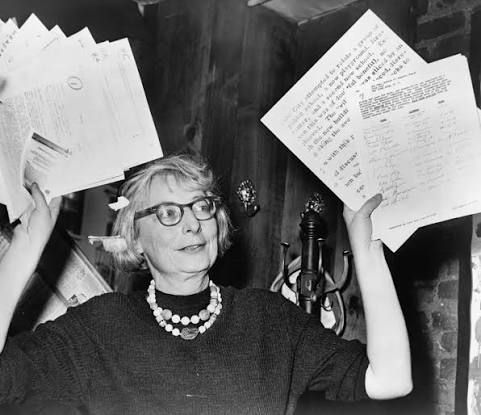
Meet our hero, Jane Jacobs, a passionate writer and resident of Greenwich Village during the vibrant 1950s and 60s in New York City. A champion of place, she stood tall against the formidable Robert Moses, known as the master builder of New York. Moses reshaped the city to fit his vision, carving expressways through neighbourhoods, displacing families, and creating a city designed for cars rather than the people who lived there. Their public battles were legendary, but the most notable clash was over the Lower Manhattan Expressway, a project that threatened to destroy Jacobs’ cherished neighbourhood. Through persistent community resistance and activism, Jacobs and her supporters won the day, and the project was ultimately scrapped. This set an alternate path for city-shaping and who can have a voice in how our cities evolve.
The 1960s marked an emergence of Placemaking, inspired by visionaries like Jane Jacobs, Jan Gehl, William H. Whyte, and Project for Public Spaces. They recognised that successful public spaces must be created for the people. Bringing this thinking to Australia, Village Well established placemaking over 35 years ago. Through collaboration with thousands of communities across the city, we have helped shape the Melbourne we know and love today – think Melbourne Laneways, the Queen Victoria Night Market, Melbourne Central, Abbotsford Convent, and many of our beloved main streets.
Over the past six decades, the idea of placemaking has grown and evolved, often encompassing a variety of approaches. It has come to include tactical urbanism, community development, design, operations, and branding. With so many different facets, it can sometimes be challenging to grasp what placemaking truly means. That’s why it’s essential to remember the three foundational principles that lie at the heart of true placemaking.
Place-led
There are no one-size-fits-all solutions! Every approach to placemaking should be unique to place. Understanding the community’s history, essence, and specific challenges is crucial before moving forward with any plans. This doesn’t mean we can’t find efficient ways to build; rather, we can create tailored solutions, like a thoughtfully designed space that accommodates beautiful and affordable homes that meet the needs of and resonate with the community.
Community-led
Placemaking began as a grassroots movement, and its core is all about community. It’s vital to recognise that the real wisdom lies within the people who live in our places. As placemakers, our role is to tap into this collective wisdom, empowering community members to take action and share their voices.
Asset-strengthening
This principle emphasises focusing on what already works and celebrating and enhancing the strengths of the community. This means fostering Asset-Based Community Development to uplift the things that make our communities thrive.
So one person can really change a city!
While the placemaking movement has already achieved so much, our cities are continually evolving, and our approaches must respond to new challenges, such as climate change, rapid urbanisation and increasing uncertainty. We need to continue to innovate and advocate for place-led change.
As the original placemakers in Australia, Village Well has now taken a bold step forward as the first Regenerative Placemaking consultancy. Curious about what Regenerative Placemaking means? Stay tuned for our next blog to learn more!


Comments